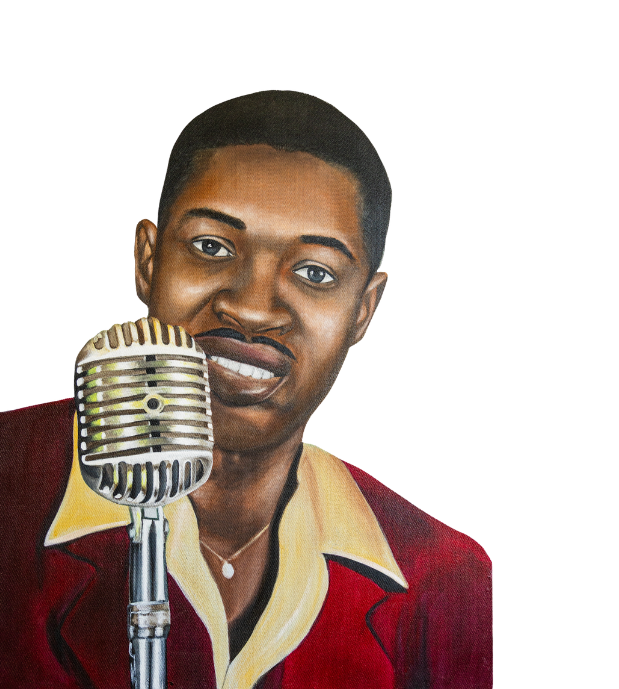
Shon Colá – Guardian of Tambú and the Soul of Curaçaoan Rhythm
Born Nicolaas Obispu Susana on December 18, 1916, in Westpunt, Curaçao, Shon Colá grew up surrounded by rhythm, song, and community. His father was a kantadó di salve—a singer at traditional wakes—and his mother was a tambú singer, ensuring that music was woven into the very fabric of his upbringing. From an early age, Colá’s voice carried the cadence of his island; he began singing in a church choir in Janwé, learning how deeply music could move both spirit and soul.
In 1933, at just seventeen, he made his debut as a tambú singer with the group Sabelita di Bartó in Hanch’i Punda. His performance marked the beginning of a lifelong journey devoted to preserving and celebrating the tambú—the powerful rhythm and dance form born from the African roots of Curaçao’s people. Soon after, he formed his own group, giving voice to a generation through songs that reflected the everyday struggles, joys, and humor of his community.
Shon Colá’s music was more than entertainment; it was social commentary wrapped in melody and rhythm. His lyrics often spoke of the challenges and triumphs of Curaçaoan life, turning his performances into living archives of island history. In 1947, he recorded one of the first tambú albums ever produced on Curaçao, helping to bring the genre from backyards and community gatherings to a wider audience.
Over time, his unmistakable voice and improvisational skill earned him recognition as one of Curaçao’s greatest tambú singers—a pioneer who transformed oral tradition into a cultural legacy. In 1982, Shon Colá was awarded the Cola Debrot Prize, the island’s highest cultural honor, for his immense contribution to the preservation and development of tambú music.
Today, his legacy continues through the Museo di Tambú Shon Colá, a small but deeply meaningful museum dedicated to the rhythms, instruments, and stories of the tambú tradition. Through its exhibits and community gatherings, Shon Colá’s spirit lives on—echoing in the beating of the drum, the call of the singer, and the shared memory of a people who turned rhythm into resilience.