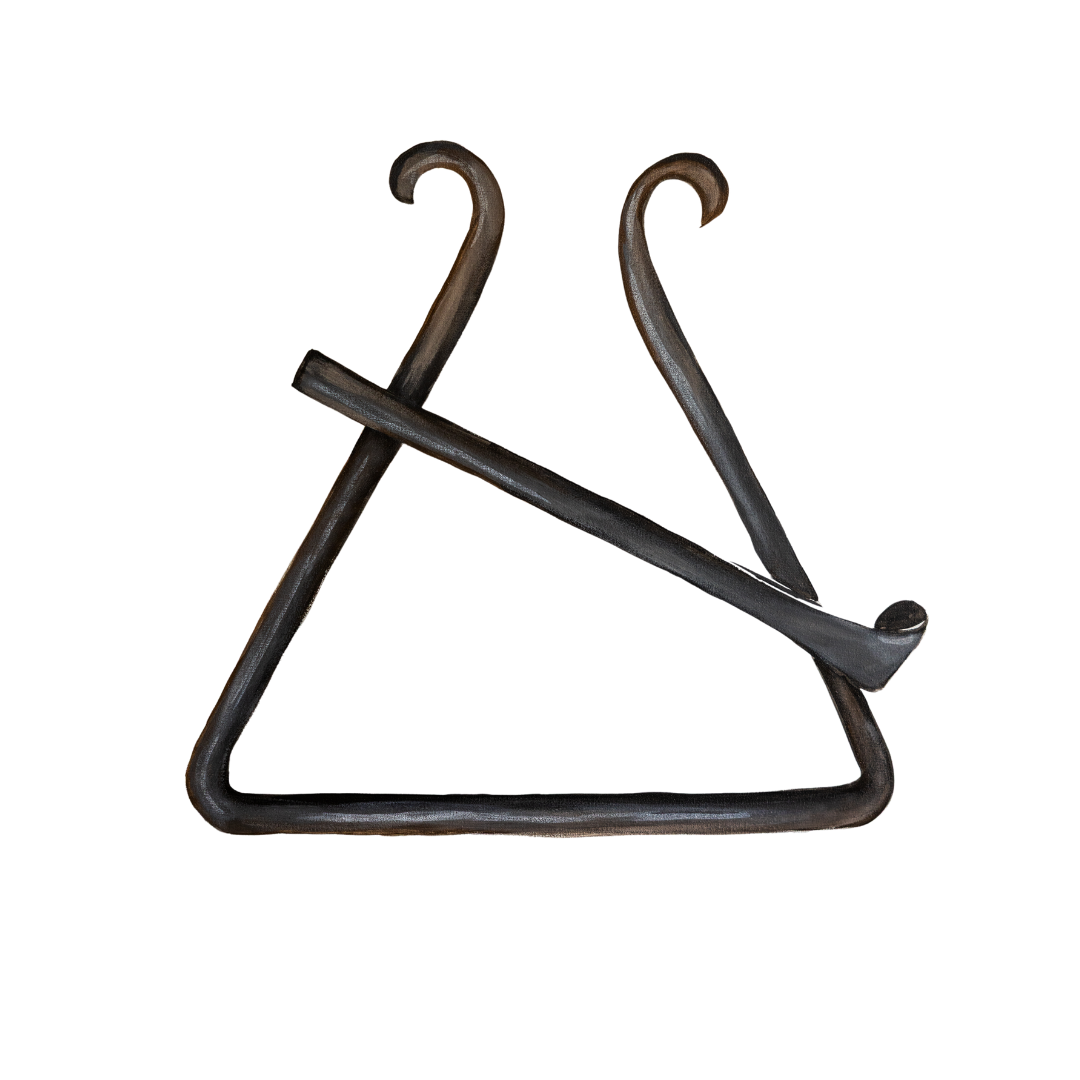
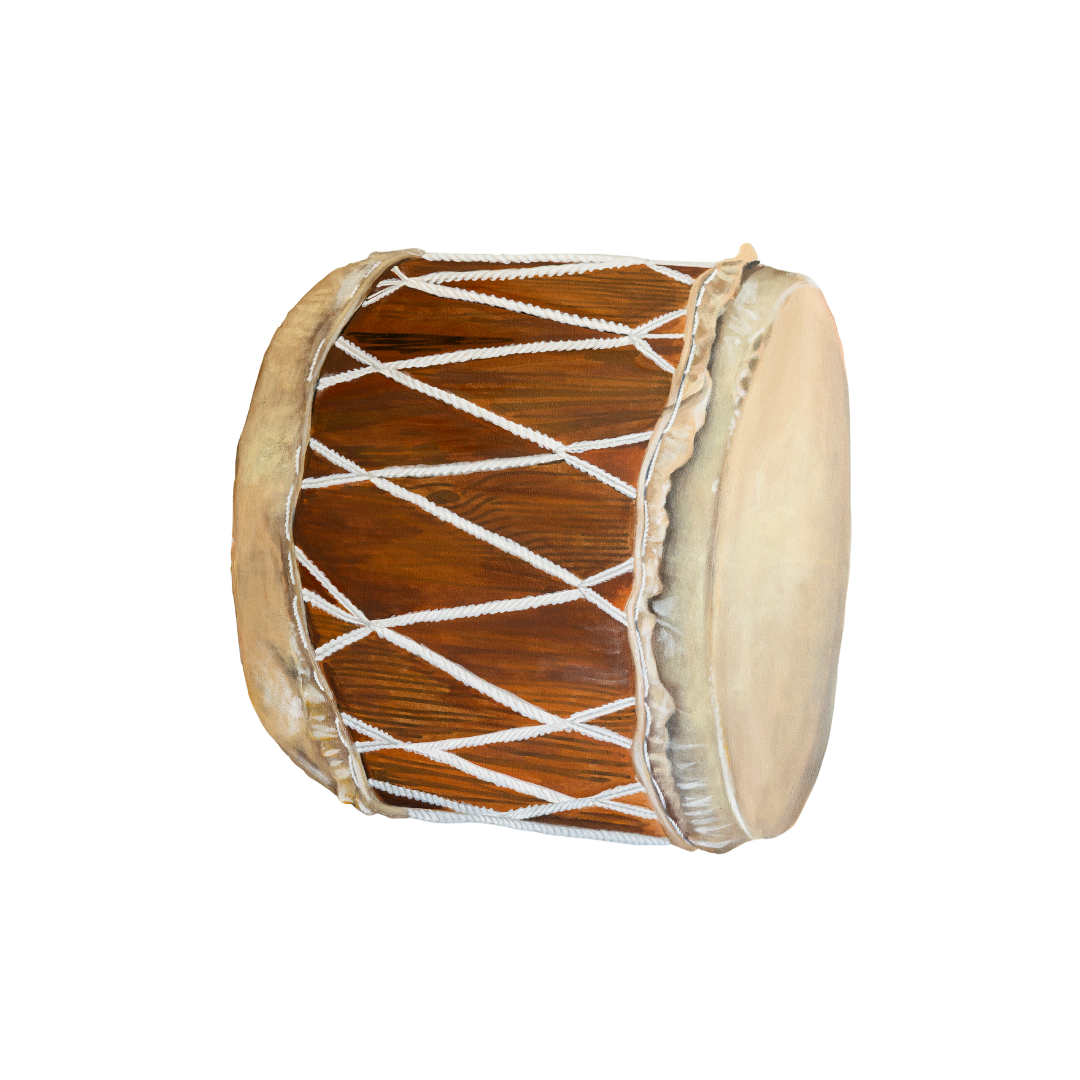
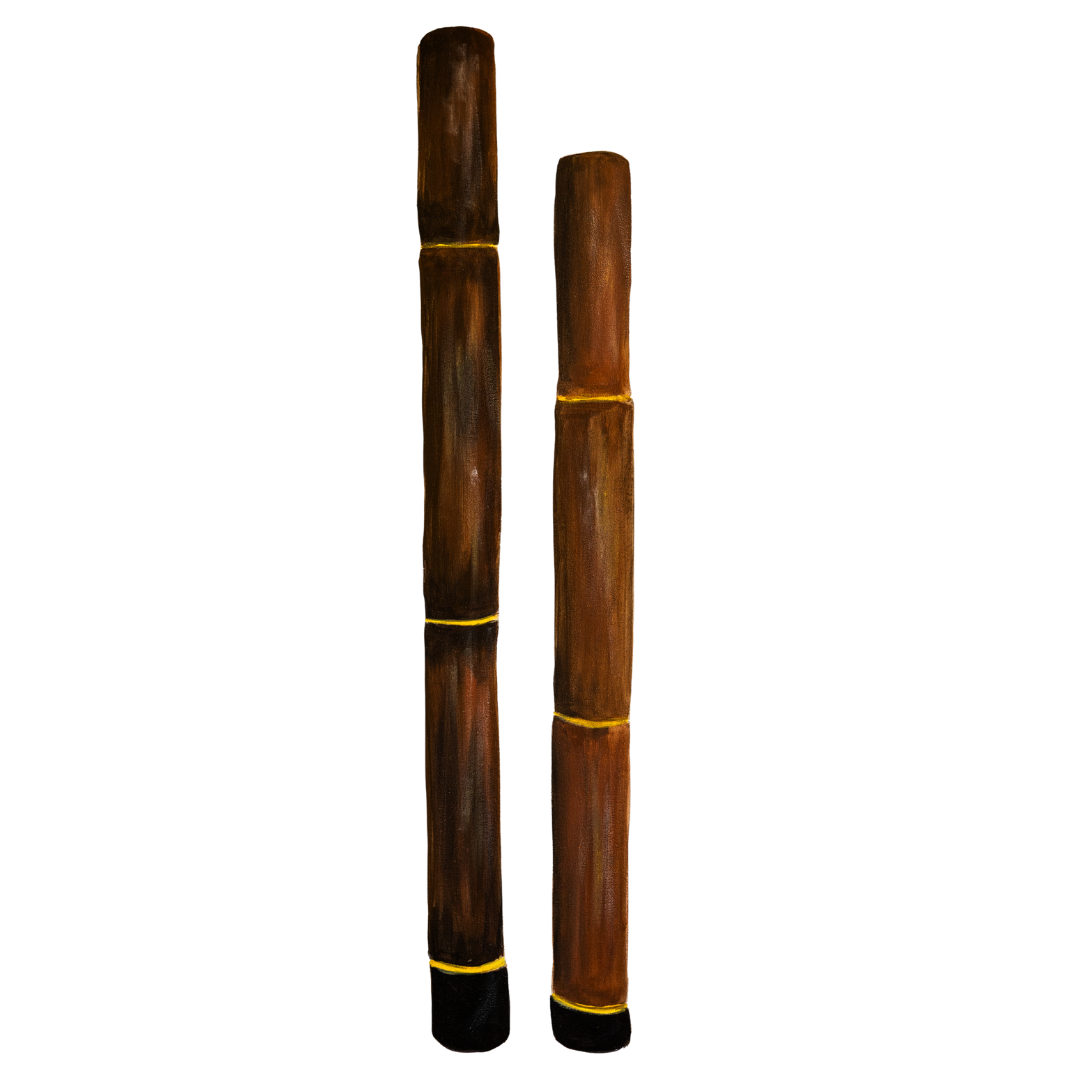
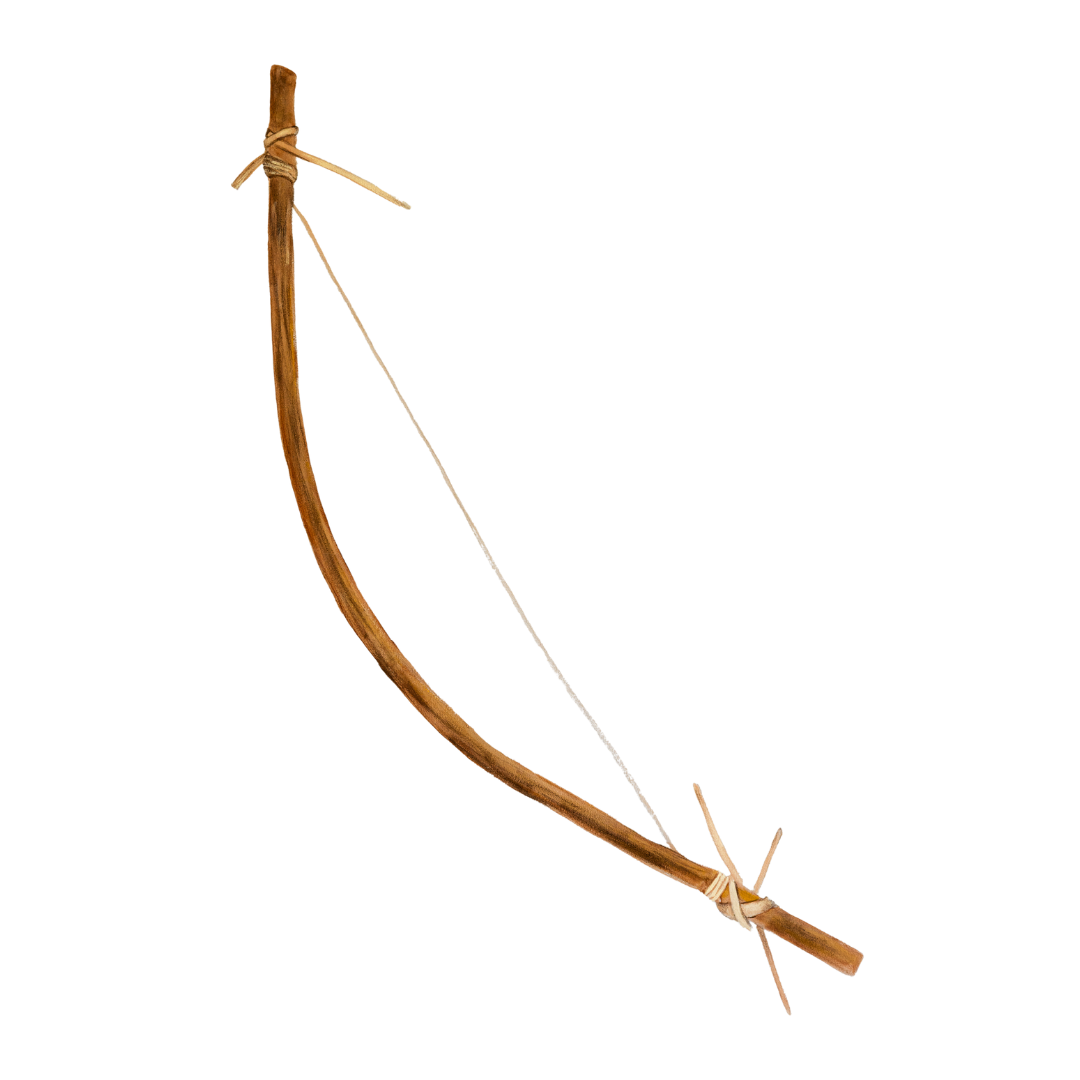
The music of Curaçao is a vibrant blend of African, European, and Caribbean influences, shaped by history and culture. From Tambú and Seú to modern rhythms, it tells the island’s story in every beat.
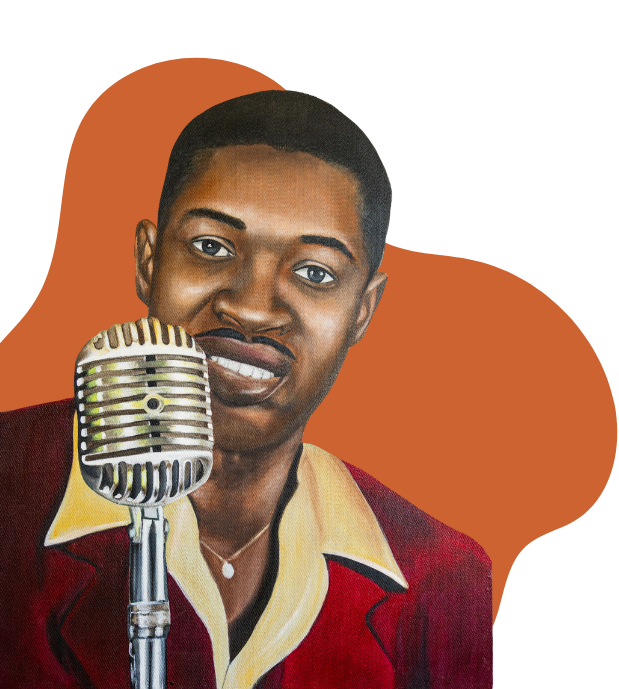
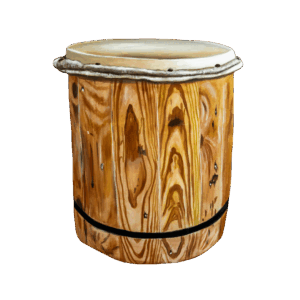
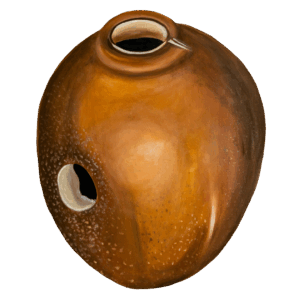
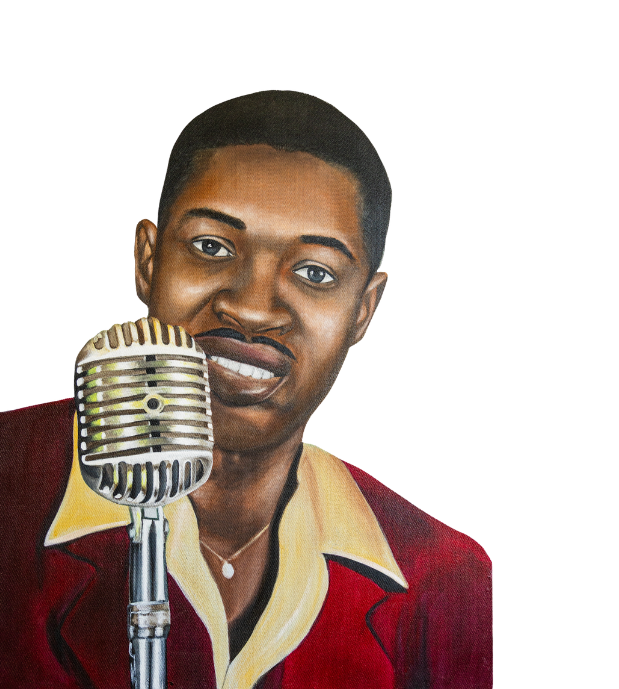
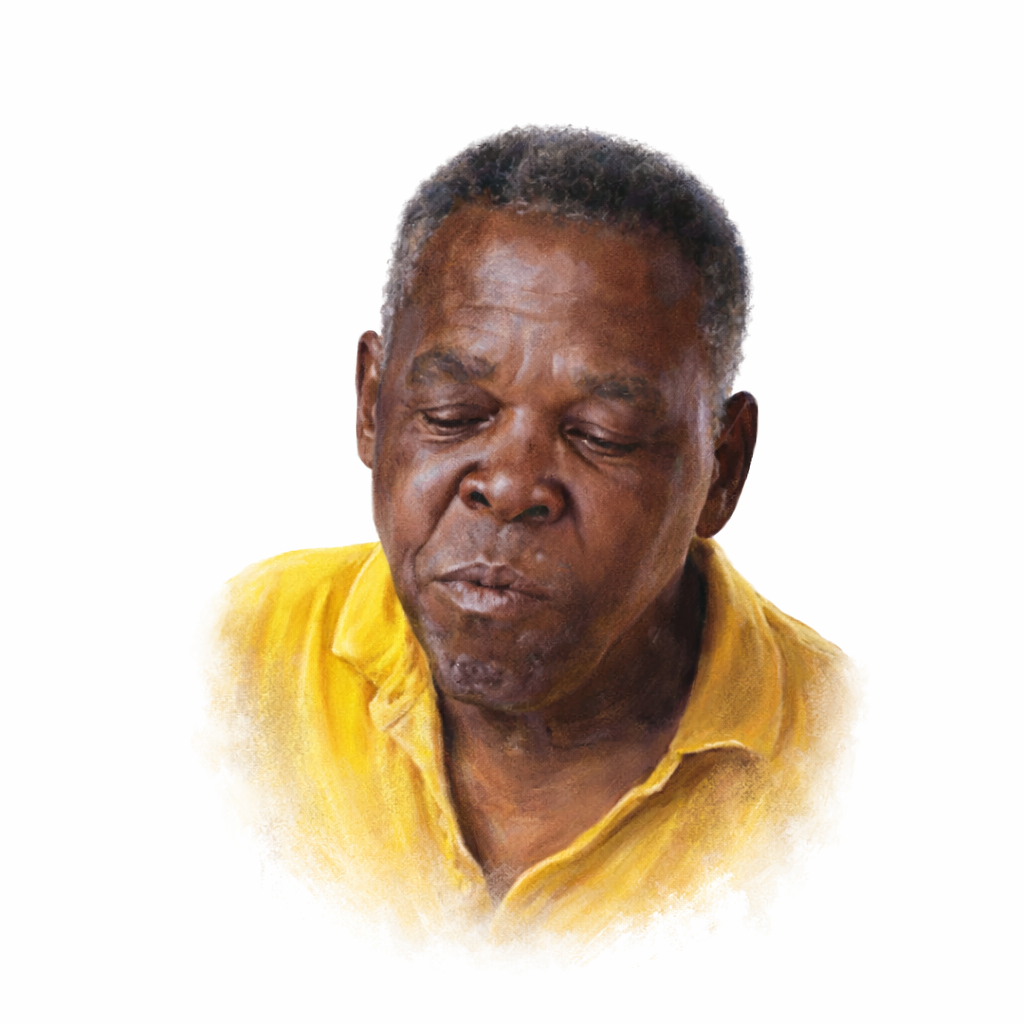
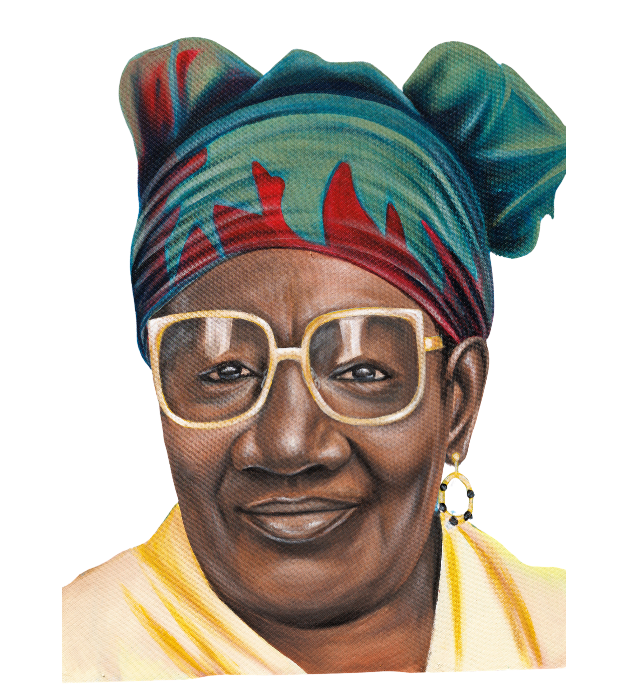
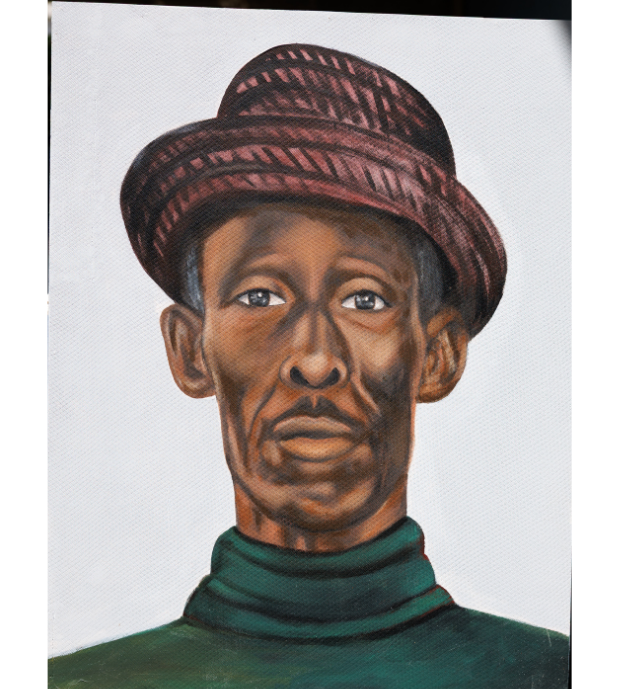
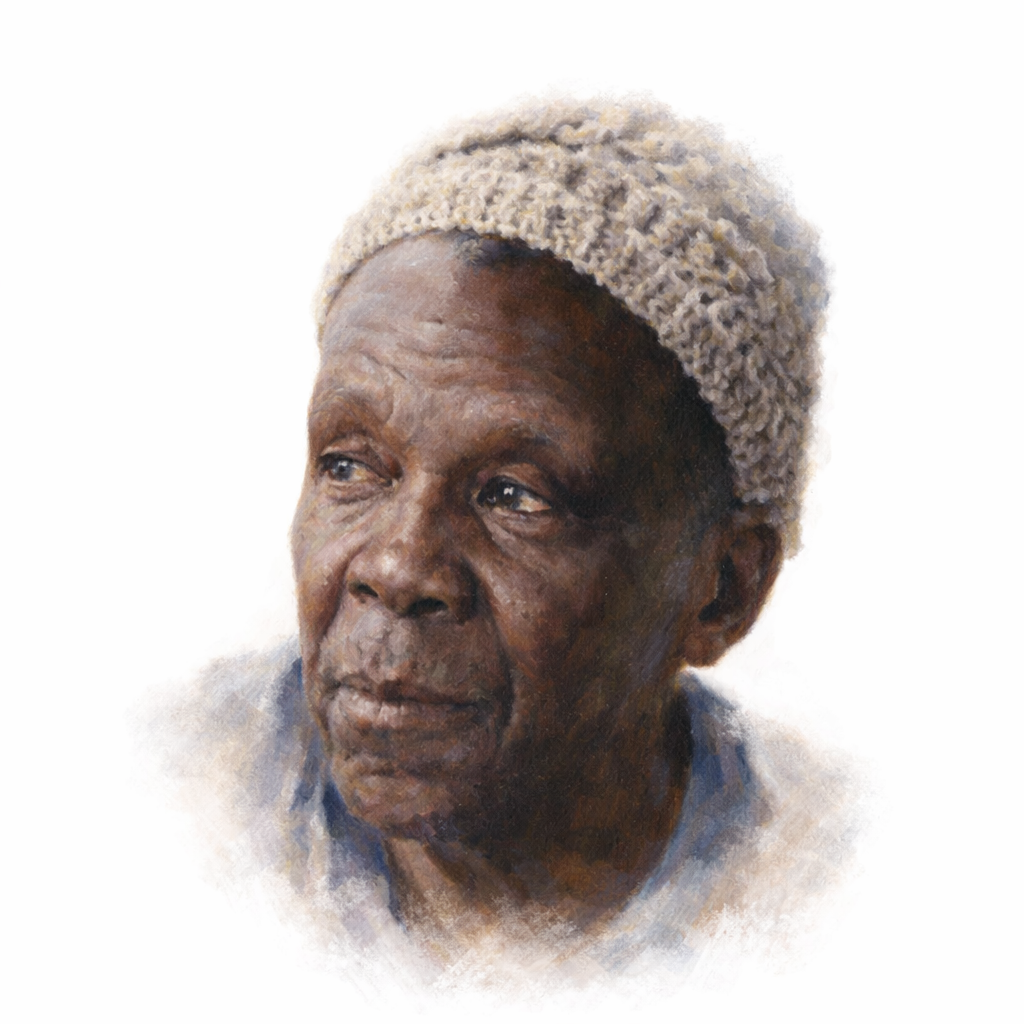
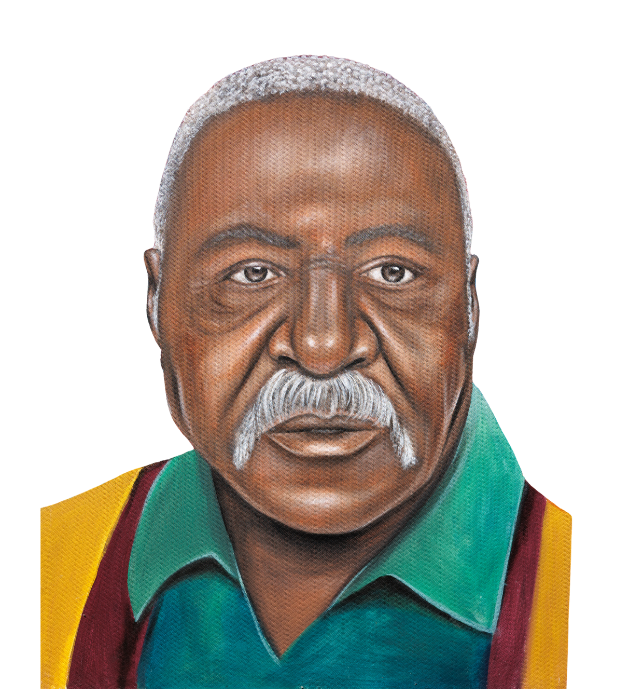
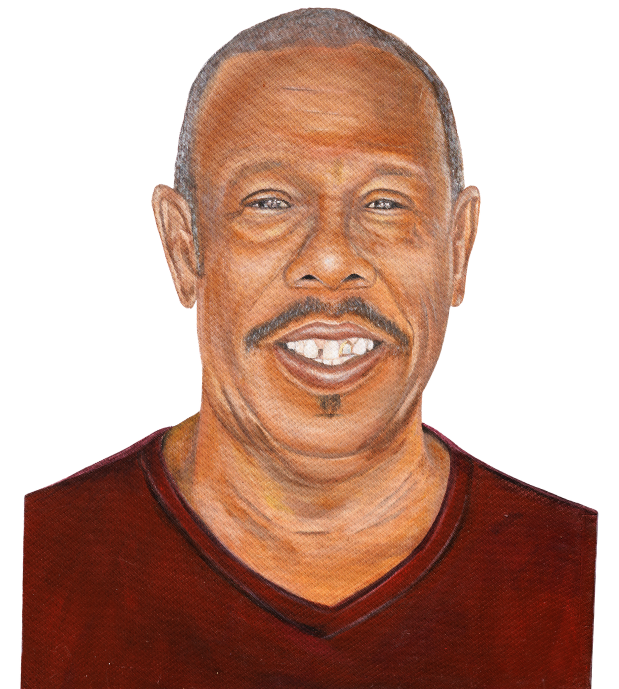
Curaçao’s rich musical heritage has been shaped by pioneers who preserved traditions while opening doors to new sounds. Visionaries like Shon Cola, whose dedication to tambú and other traditional rhythms helped keep Curaçao’s musical roots alive, devoted their lives to ensuring these sounds would resonate with future generations. Through their creativity and commitment, Curaçaoan music has found recognition both at home and abroad. This section highlights some of these remarkable figures, honoring their legacy with stories, images, and the rhythms they helped keep alive.
By the time slavery was abolished in Curaçao in 1863, for over 400 years more than 15 million men, women, and children were victims of the tragic transatlantic slave trade. In Curaçao, enslaved people arrived often from Africa and were bought and sold on the docks in Willemstad before continuing to their ultimate destination.
Approximately 10.000 of these slaves remained on the island and left their cultural footprint. Curaçao has some traditional rhythms which have uniformity with the music of countries around the world.
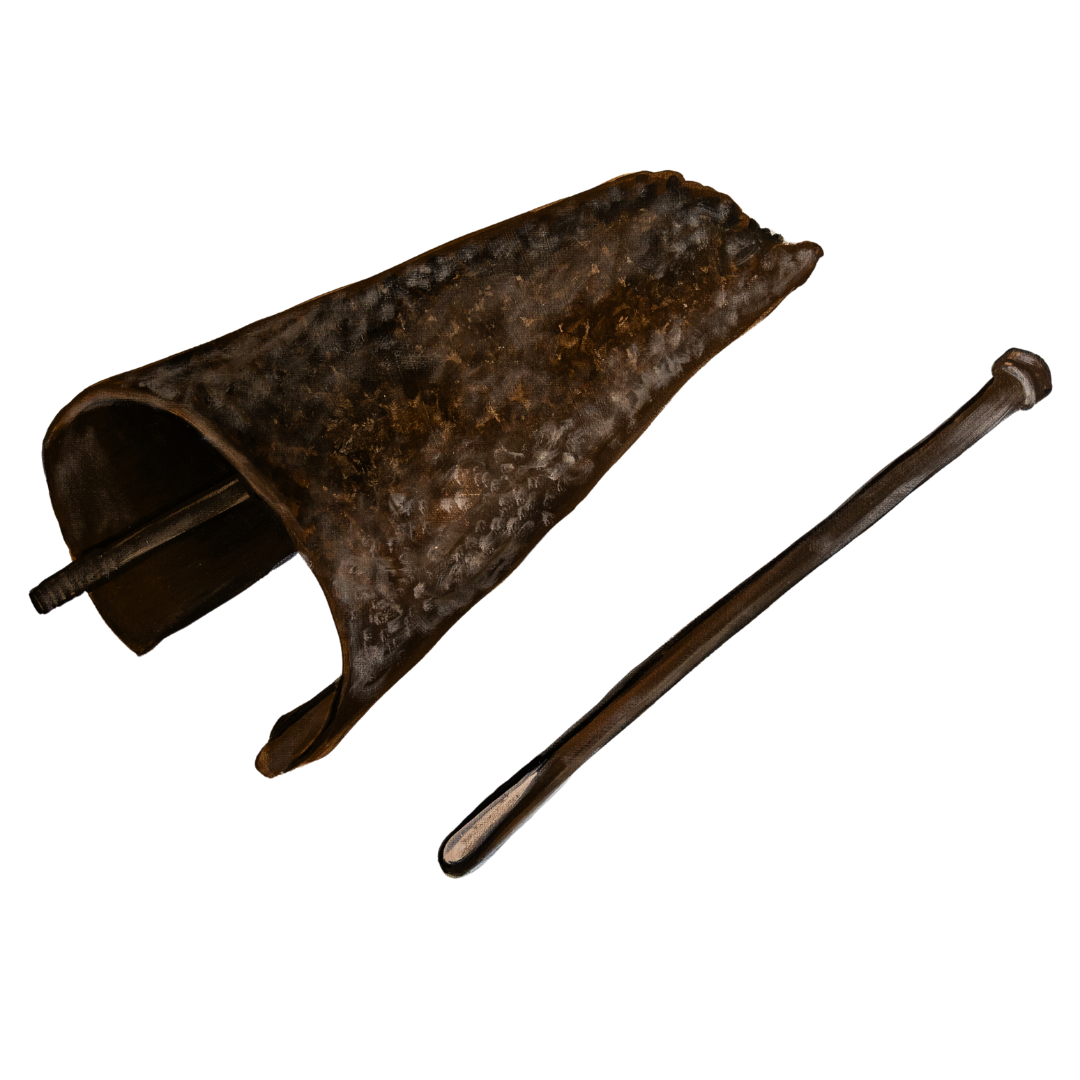
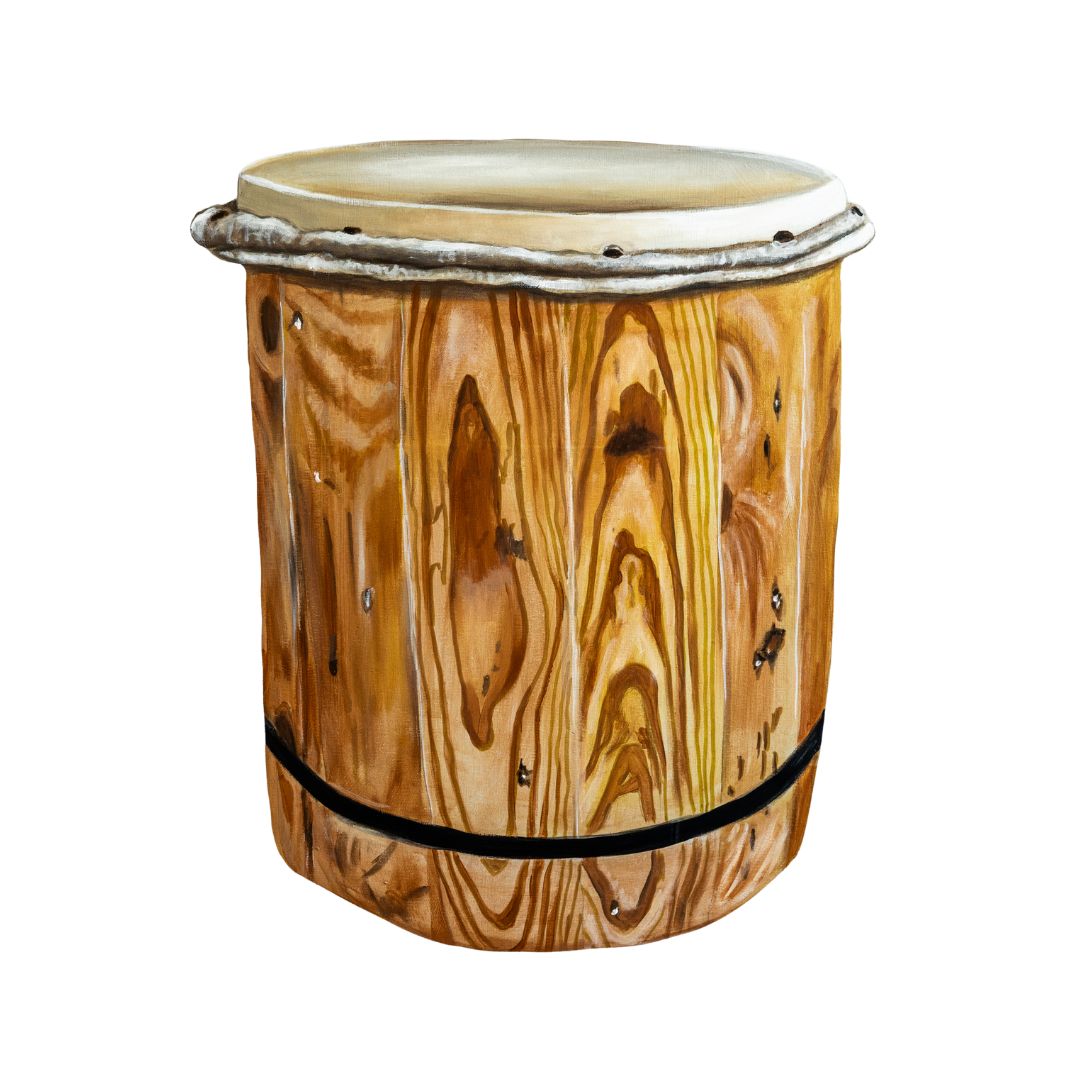
The Tumba, Tambu, SEU, Dansa, and Musika Alegre (Muzik di Zumbi) are pivotal elements of the intangible cultural and musical heritage of Curaçao.the foundation impersonated by Pernell Saturnino took the initiative to start a project in which he will continue the quest of our traditions and music.
Our Sponsors
With the help and support from our community, this project would not have been possible. A special thanks to our sponsors: Prins Bernhad Cultuurfonds Carribisch gebied.